
Global Container Rates Drop 22% as Supply Chain Normalizes
After years of disruption, congestion, and unpredictable pricing, container shipping markets are showing signs of normalization. But lower freight rates do not necessarily mean that global trade has become simple again.
The price of moving goods around the world is changing again
For the last few years, international shipping has felt less like a predictable business and more like a daily negotiation with uncertainty.
A container could be available one week and impossible to book the next. A route that normally took several weeks could suddenly face delays caused by port congestion, geopolitical tension, weather, or capacity shortages.
Now, parts of the container market are moving in the opposite direction.
On several major trade lanes, freight rates have fallen sharply from earlier peaks as capacity has improved, demand has become more balanced, and some of the extraordinary post-pandemic disruption has faded.

For shippers, that sounds like good news.
But the reality is more complicated.
From crisis pricing to a more competitive market
The pandemic changed the economics of container shipping.
Demand for physical goods surged while ports, warehouses, trucking networks, and shipping lines struggled to keep pace. The result was a combination of:
• Record freight rates
• Severe container shortages
• Port congestion
• Long booking queues
• Unpredictable transit times
As the market began to cool, the balance gradually shifted.
Shipping lines added capacity, equipment availability improved, and demand in some markets became less aggressive. The result was a market in which carriers had to compete more actively for cargo.
That competition is now being reflected in freight pricing.
However, the phrase “rates are falling” should not be confused with “shipping is cheap everywhere.”
Freight markets are regional. A price decline on one trade lane can exist at the same time as rising prices on another.
Recent industry updates have shown how quickly conditions can diverge between routes, with some corridors experiencing significant declines while others remain under pressure from demand, capacity constraints, or geopolitical disruptions. (Reddit)
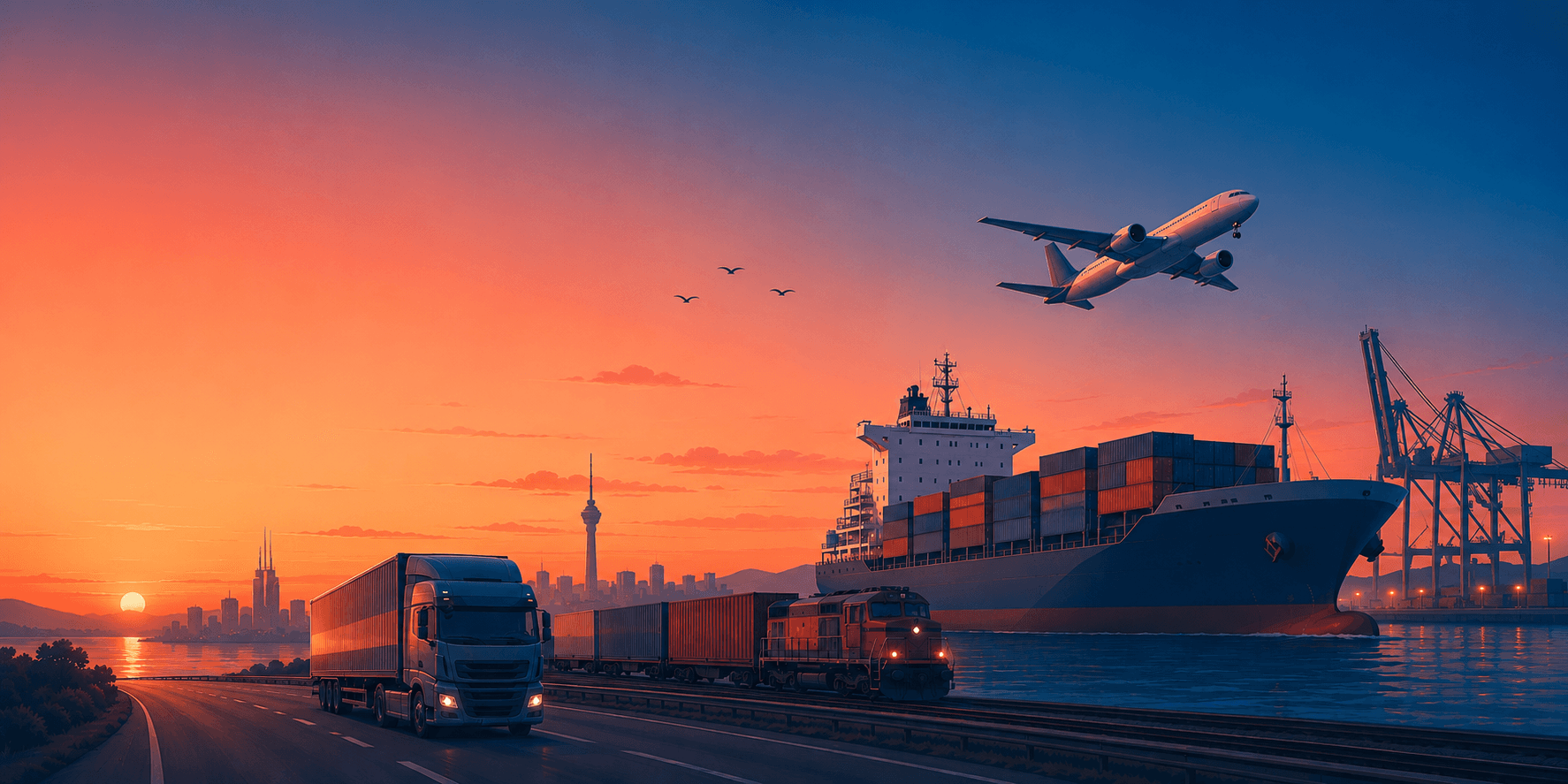
Suggested image: A container ship entering a major port with cranes operating in the background.
Caption:
Container freight markets are becoming more competitive, but regional disruptions continue to create volatility.
Why lower rates do not automatically mean lower logistics costs
The ocean freight rate is only one part of the logistics equation.
A shipment may still involve:
• Inland transportation
• Terminal handling
• Customs clearance
• Documentation
• Insurance
• Fuel surcharges
• Storage
• Demurrage and detention
• Last-mile delivery
This is why a lower ocean rate may not produce an equally dramatic reduction in the final landed cost of a product.
A company importing goods should therefore avoid making decisions based on the headline freight rate alone.
The better question is:
What is the total cost of moving this shipment from origin to destination?
That number is usually more important than the rate quoted for the ocean leg itself.
The new challenge: planning in a less predictable market
The biggest challenge for importers and exporters may not be high rates.
It may be the speed at which rates change.
When the market is rising, businesses often rush to secure capacity. When the market is falling, they may delay bookings in the hope of obtaining a better price.
Both strategies can create problems.
Waiting too long can result in:
• Lost capacity
• Missed production schedules
• Higher emergency transport costs
• Delayed delivery to customers
The smartest approach is usually not trying to perfectly predict the market.
It is building a logistics strategy that can survive market movement.
That means working with multiple routing options, maintaining visibility over upcoming shipments, and understanding the difference between a cheap rate and a reliable supply chain.
What should importers do next?
A more normalized market creates opportunities.
Businesses may be able to:
1. Renegotiate freight contracts
2. Compare alternative ports
3. Evaluate different carriers
4. Review sea-air or rail alternatives
5. Improve shipment planning
6. Reduce unnecessary emergency bookings
The companies that benefit most will not necessarily be those that find the cheapest rate.
They will be the companies that understand the market early enough to make better decisions.
Final thought
The container shipping market may be entering a more balanced phase, but global logistics has permanently changed.
The lesson of the last few years is simple:
Price matters. Capacity matters. But visibility matters most.
A supply chain that can see problems coming has a much better chance of avoiding them.
IRLOGISTIC helps businesses move beyond simply finding a freight rate — and toward building a smarter international logistics strategy.